
Framing.
With a fresh perspective.
Structural framing for residential and commercial projects, with the right approach for your plans.
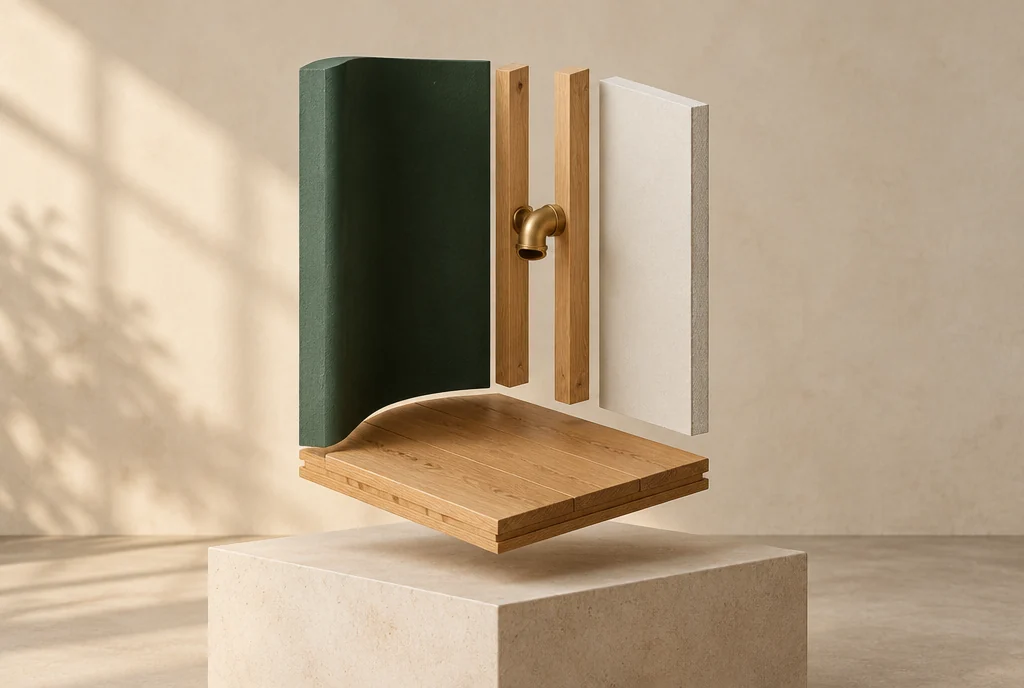
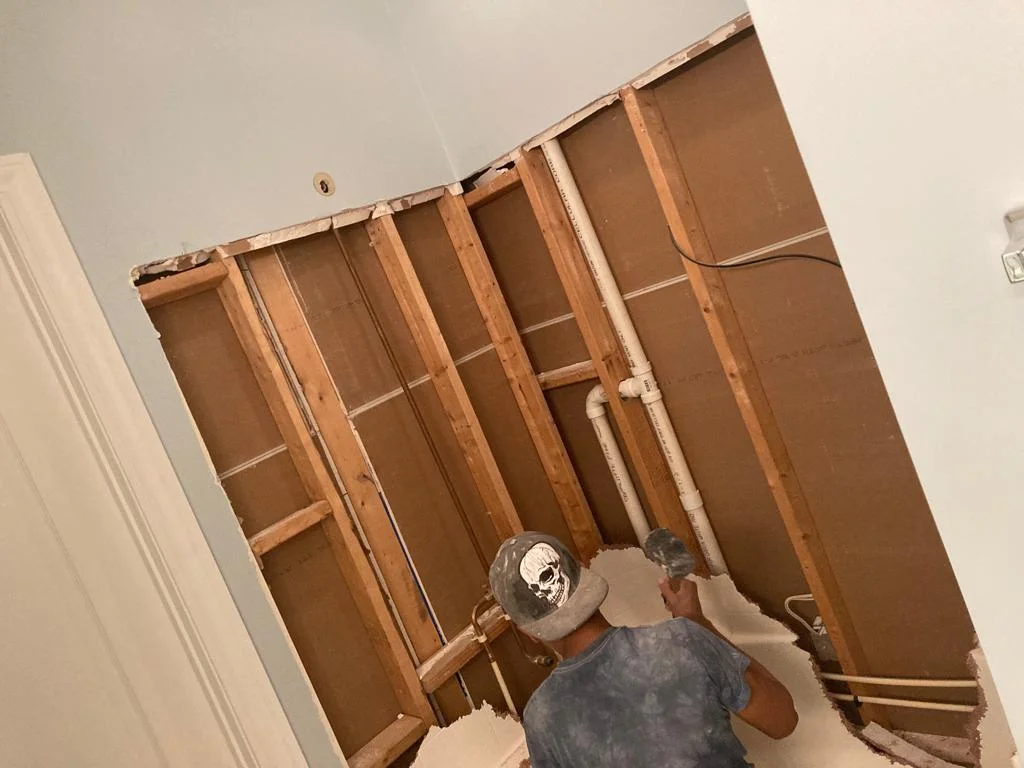
A considered approach.
Every space has its own needs. We begin with your goals, review the condition of the space, and discuss the preparation, materials and timing before moving forward.
Read the service guide +
When building a commercial facility, which type of construction is better: wood frame construction or steel frame construction?
Traditional wood frame construction has a lot of merits and so does pre-fab metal buildings (or steel frame construction.) The answer depends on your unique combination of needs, requirements and preferences. To decide, it helps to consider how these two common construction methods compare in different situations.
Appearance
With regard to appearance, wood has an unshakable appeal. Wood frame buildings offer not only time-tested natural beauty but also a welcome, reliable familiarity. However, pre-fab steel frame buildings (or prefabricated buildings) shouldn’t be dismissed on looks alone. After all, a structure with steel framing construction can be designed to mimic virtually any aesthetic. Features like brick facades, wood veneers or vinyl sidings can transform a building’s appearance.
Flexibility
Both wood frame construction and steel framing construction can be used to craft a wide array of floorplans for commercial buildings. Either material can be an excellent choice for commercial entities that want a structure customized for their production needs. However, when there’s a desire for uninterrupted space, steel frame construction has the edge. Its strength allows builders to span greater distances without the interruption of supports.
Durability
With proper care, a wooden frame structure can endure for centuries. Still, a certain amount of upkeep is a must to safeguard against insect damage, rot and other hazards. On the other hand, a commercial steel building has inherent strength that allows it to stand the test of time. As a bonus, steel frame construction has natural durability which means that it can do so with less routine maintenance. It’s also noncombustible, so the destructive power of fire is less of a threat to steel construction.
Speed
In commercial construction, time is money. Any additional time and labor are likely to add to the total price tag of a commercial building. A wood frame construction project can produce tremendous results. However, it requires a significant time investment from skilled laborers working onsite. It also demands a careful evaluation of all materials since lumber is a natural product that can be inconsistent in quality. Steel is a man-made product with an enviable consistency, and it lends itself well to prefabrication. A pre-engineered metal building can save time and reduce labor costs. In fact, using a pre-fab metal building can cut your construction time cycle by about 30 percent.
Material Cost
While it depends on the specifics of your project, opting for wood beam construction when building a new facility can keep your initial material costs lower. Building a steel frame commercial building construction generally leads to higher material costs, but the reduced need for maintenance can often make up for the difference over the structure’s lifetime.
Al construir un edificio comercial, ¿qué sistema es mejor: una estructura de madera o una estructura de acero?
La construcción tradicional con estructura de madera tiene muchas ventajas, al igual que los edificios metálicos prefabricados o las estructuras de acero. La respuesta depende de tu combinación de necesidades, requisitos y preferencias. Para decidir, conviene comparar cómo se comportan estos dos métodos de construcción en distintas situaciones.
Apariencia
La madera conserva un atractivo difícil de igualar. Los edificios con estructura de madera ofrecen una belleza natural que ha resistido el paso del tiempo, además de una sensación familiar y acogedora. Sin embargo, no conviene descartar los edificios prefabricados de acero solo por su apariencia. Una estructura de acero puede diseñarse para adaptarse a prácticamente cualquier estilo. Las fachadas de ladrillo, los revestimientos de madera o los de vinilo pueden transformar el aspecto de un edificio.
Flexibilidad
Tanto las estructuras de madera como las de acero permiten crear una amplia variedad de distribuciones para edificios comerciales. Ambos materiales pueden ser una buena opción para las empresas que necesitan un edificio adaptado a sus procesos de producción. Sin embargo, cuando se busca un espacio libre de apoyos intermedios, el acero tiene ventaja: su resistencia permite cubrir distancias mayores sin interrumpir el espacio con soportes.
Durabilidad
Con el cuidado adecuado, una estructura de madera puede durar siglos. Aun así, necesita cierto mantenimiento para protegerla de insectos, pudrición y otros riesgos. Por su parte, un edificio comercial de acero posee una resistencia que le permite perdurar. La durabilidad propia del acero también puede reducir la necesidad de mantenimiento rutinario. Además, no es combustible, por lo que el fuego supone una amenaza menor para este tipo de construcción.
Rapidez
En la construcción comercial, el tiempo es dinero. El tiempo adicional y la mano de obra suelen aumentar el costo total de un edificio. Un proyecto con estructura de madera puede ofrecer excelentes resultados, pero exige una inversión considerable de tiempo de trabajadores especializados en la obra. También requiere evaluar cuidadosamente los materiales, ya que la madera es un producto natural cuya calidad puede variar. El acero es un material fabricado con una gran uniformidad y se adapta bien a la prefabricación. Un edificio metálico prediseñado puede ahorrar tiempo y reducir los costos de mano de obra. De hecho, utilizar un edificio metálico prefabricado puede acortar el ciclo de construcción aproximadamente un 30 por ciento.
Costo de los materiales
Aunque depende de las características de cada proyecto, elegir una estructura de madera para un edificio nuevo puede reducir el costo inicial de los materiales. La construcción de un edificio comercial con estructura de acero suele implicar un costo mayor de materiales, pero su menor necesidad de mantenimiento puede compensar esa diferencia a lo largo de la vida útil del edificio.